The reality for many small business owners is that their enterprise is often an extension of themselves. They pour their energy, time, and passion into making it thrive. But what happens when you, or a key member of your small team, are suddenly sidelined by illness? It's a question that keeps many awake at night, and for good reason. According to BUPA, a staggering 76% of SME leaders who experienced an employee taking a long sickness absence reported a significant impact on their business growth. This isn't just about a day or two of sniffles; it's about the very resilience and continuity of your hard-earned venture.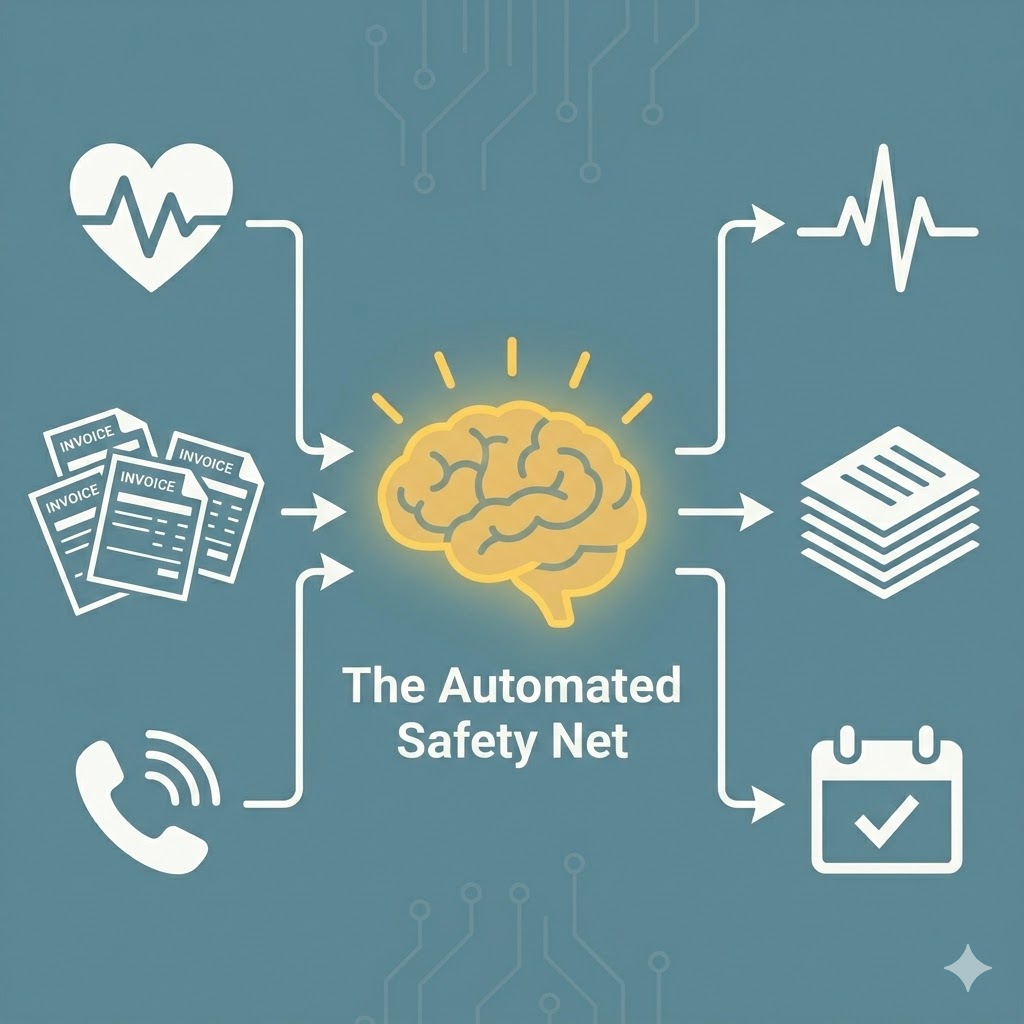
The Hidden Costs of Illness for Small Businesses
When illness strikes, the repercussions for a small business can be far-reaching and costly. It's more than just a reduction in immediate output; it chips away at the foundations of your operations:
- Lost Productivity & Missed Opportunities: Every hour spent recuperating is an hour not spent generating leads, serving customers, or developing new strategies. This can lead to delays in projects, missed deadlines, and ultimately, lost revenue opportunities.
- Increased Workload & Stress: Other team members, if you have them, are often left to pick up the slack, leading to burnout, errors, and a dip in morale. If you're a sole trader, the work simply piles up, creating immense pressure for when you return.
- Financial Strain: Beyond lost income, there might be direct costs such as temporary cover, or the longer-term financial impact of a damaged reputation if customer service suffers.
- Customer Dissatisfaction: Delayed responses, unfulfilled orders, or a noticeable drop in service quality can quickly erode customer trust and loyalty, potentially driving them to competitors.
- Operational Bottlenecks: Key tasks that rely on specific individuals can come to a grinding halt, creating a backlog that impacts the entire business flow.
Given that fewer than half (46%) of SME leaders prioritise employee health and wellbeing, and a notable 43% never even consider health and wellbeing benefits, it's clear that many small businesses are operating without a robust safety net against the inevitable.
Automation: Your Business's Unsung Hero
This is where automation steps in as a powerful, often overlooked, solution. Far from being exclusive to large corporations, intelligent automation offers small business owners the ability to build resilience and ensure continuity, even when personal presence is impossible. It creates a robust framework that keeps essential cogs turning, allowing you to focus on recovery without the added stress of a business in freefall.
Key Areas Where Automation Can Provide a Lifeline
Consider these practical applications where automation can transform vulnerability into strength:
Customer Relations:
- Automated Follow-ups: Set up email sequences for new enquiries, post-purchase thank-yous, or follow-ups for proposals. Your customers will feel valued, even if you’re not physically at your desk.
- Chatbots & FAQs: Implement a simple chatbot on your website to answer common customer queries instantly, providing a consistent level of service around the clock.
- CRM Systems: Customer Relationship Management tools can automate reminders for client check-ins or sales opportunities, ensuring no one slips through the cracks.
Marketing & Sales:
- Social Media Scheduling: Pre-schedule your social media content for weeks or months in advance, keeping your brand visible and engaging, even during absence.
- Email Marketing Campaigns: Automate newsletters, promotional emails, and lead nurturing sequences to maintain a steady stream of communication with your audience.
- Lead Capture & Qualification: Use automated forms and tools to capture new leads and even qualify them to a certain extent, ready for when you or your team can properly engage.
Operations & Administration:
- Online Scheduling Systems: Empower clients to book appointments, classes, or consultations directly via an online calendar, eliminating manual back-and-forth.
- Automated Invoicing & Reminders: Set up systems that automatically generate and send invoices, and even chase late payments, ensuring cash flow isn't disrupted.
- Task Management & Project Workflows: Use project management tools to assign tasks, track progress, and automate notifications, making it easier for team members to collaborate and pick up work seamlessly.
- Data Entry & Reporting: Automate the transfer of data between different software or generate routine reports, freeing up valuable time and reducing errors.
Financial Management:
- Automated Expense Tracking: Integrate tools that automatically categorise and track business expenses, simplifying accounting and tax preparation.
- Payroll Automation: Ensure your team is paid on time, every time, with automated payroll systems, even if you're not able to manually process it.

Implementing Automation: A Practical Approach
The beauty of automation for small businesses is that you don't need to overhaul everything at once. Start by identifying the most repetitive, time-consuming tasks that are critical to your business's operation. These are often the 'leaks in the system' that become major problems when illness strikes. Research user-friendly, affordable tools that integrate well with your existing setup, and implement one automation at a time, building your business's resilience incrementally.
Protecting your business from the inevitable challenges of illness isn't about avoiding getting sick; it's about building a robust, resilient operation that can weather any storm. By strategically implementing automation, you can ensure that your small business not only survives but continues to thrive, even when life throws an unexpected curveball. It’s about creating peace of mind, for you, your team, and your customers.
Don't let illness be a roadblock to your business's success. Get in touch with us today to see how we can help you specifically with integrating smart automation solutions that safeguard your small business against the unpredictable impact of illness.