In an era defined by rapid technological advancement, Artificial Intelligence (AI) continues to reshape industries globally. For businesses across the United Kingdom, understanding the latest developments and adoption trends in AI is no longer a luxury but a strategic imperative. From enhancing operational efficiencies to unlocking new revenue streams, AI's potential is vast. Yet, as recent research indicates, many UK businesses are still cautiously approaching this transformative technology.
The Current Landscape: A Glimpse at UK AI Adoption
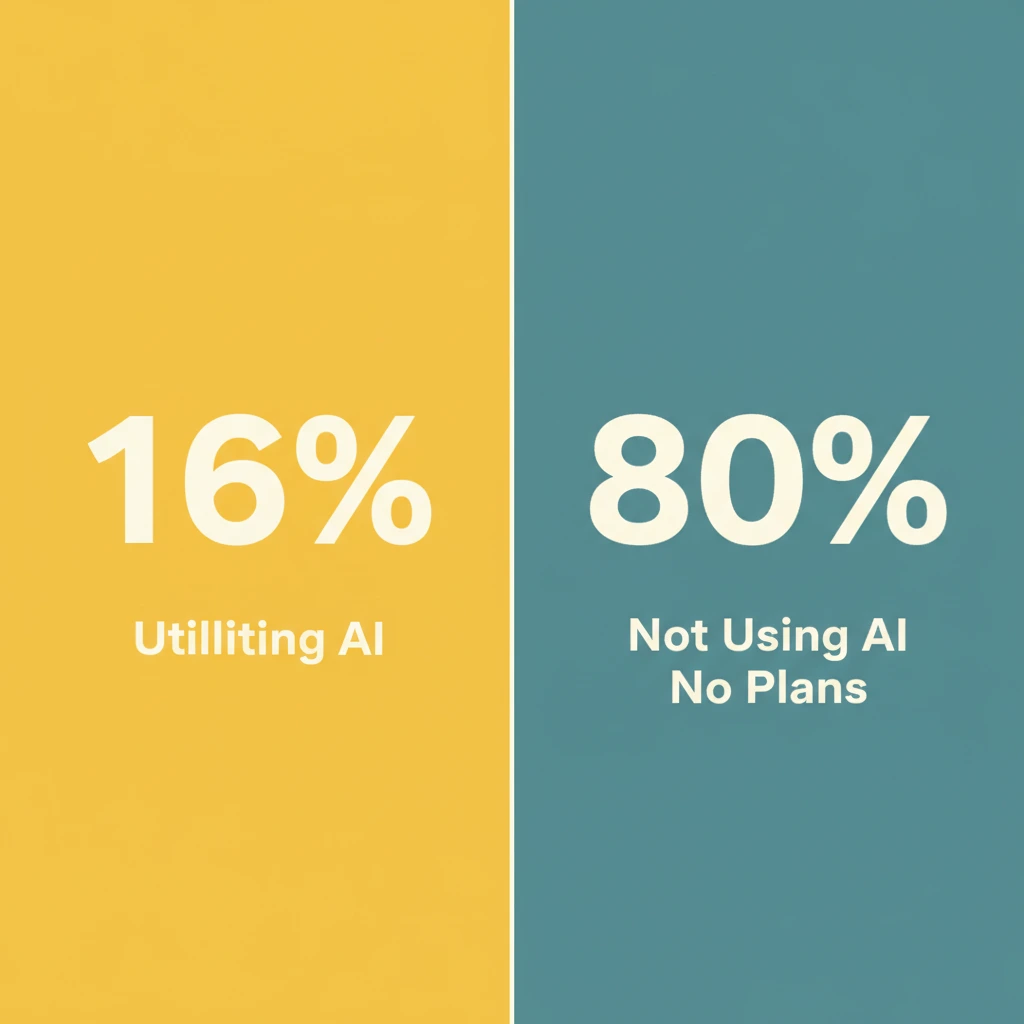
According to comprehensive research published on GOV.UK, the current state of AI adoption among UK businesses remains relatively modest. Approximately one in six businesses (16%) are presently utilising at least one AI technology. A further 5% have expressed intentions to adopt AI in the foreseeable future, highlighting a growing, albeit slow, recognition of its value. This leaves a significant majority (80%) who are neither using nor planning to adopt AI.
The research also points to a clear disparity in adoption rates based on business size and sector. Larger and mid-sized enterprises are more likely to be early adopters compared to micro-firms. Furthermore, specific sectors are leading the charge, with higher AI integration observed within:
- Information & Communication
- Finance & Real Estate
- Business Services & Administration
This trend suggests that businesses in data-intensive and service-oriented sectors are more readily identifying and leveraging AI's immediate benefits.
Why the Measured Pace?
The modest adoption rate among UK businesses can be attributed to several factors. While the GOV.UK research doesn't explicitly detail every barrier, common challenges often include:
- Lack of Awareness and Understanding: Many businesses may not fully grasp the diverse applications and benefits AI can offer their specific operations.
- Cost and Investment: The initial outlay for AI implementation, including technology, infrastructure, and specialist talent, can be a deterrent for some.
- Skills Gap: A shortage of skilled AI professionals can make it challenging for businesses to effectively deploy and manage AI solutions.
- Data Readiness: Successful AI relies on high-quality, accessible data, which not all organisations possess.
The Untapped Potential: How AI Can Propel UK Businesses Forward
Despite the current adoption figures, the benefits of integrating AI are compelling and directly address key business objectives:
- Enhanced Productivity and Efficiency: AI-powered automation can streamline repetitive tasks, optimise supply chains, and improve resource allocation, freeing up human capital for more strategic initiatives.
- Improved Decision-Making: Advanced analytics driven by AI can uncover insights from vast datasets, enabling more informed and proactive business decisions.
- Innovation and Competitive Advantage: AI can foster the development of new products, services, and business models, allowing companies to differentiate themselves in a crowded marketplace.
- Personalised Customer Experiences: From intelligent chatbots to tailored recommendations, AI can significantly enhance customer engagement and satisfaction.
Navigating the Future: Government Support and Next Steps
Recognising the strategic importance of AI for economic growth, the UK government is actively supporting its integration across businesses. Initiatives are in place to help understand the barriers facing businesses and to provide guidance on how to facilitate AI adoption.
For UK businesses considering their AI journey, here are some practical next steps:
- Educate Your Team: Invest in understanding AI's potential applications within your specific industry and business functions.
- Start Small: Identify a pilot project where AI can solve a specific problem or deliver a clear benefit, rather than attempting a large-scale overhaul.
- Leverage Expertise: Consider collaborating with AI specialists, consultants, or technology providers to guide your implementation.
- Focus on Data: Ensure your data infrastructure is robust and your data is clean and accessible, as it forms the bedrock of effective AI.
- Stay Informed: Keep abreast of government support programmes, funding opportunities, and the latest AI developments relevant to your sector.
Conclusion
While AI adoption among UK businesses is progressing at a measured pace, the imperative to engage with this technology is clear. From driving efficiency and innovation to enhancing competitiveness, AI offers a wealth of opportunities for those willing to embrace it. By understanding the current landscape, addressing potential barriers, and proactively exploring its applications, UK businesses can confidently navigate the AI frontier and position themselves for future success.